Introducing the Key Advantages and Uses of Heat Recovery Ventilation in Sustainable Style
Heat Recovery Ventilation (HRV) systems play a vital function in sustainable layout. They facilitate a constant exchange of stale indoor air with fresh exterior air, substantially enhancing indoor air top quality. In addition, HRVs add to energy performance by recovering warmth from tired air, which can lower energy costs. Recognizing the multifaceted benefits and applications of HRVs reveals their importance in contemporary style. What various other benefits do these systems provide in the quest of sustainability?
Comprehending Heat Recovery Ventilation Equipments
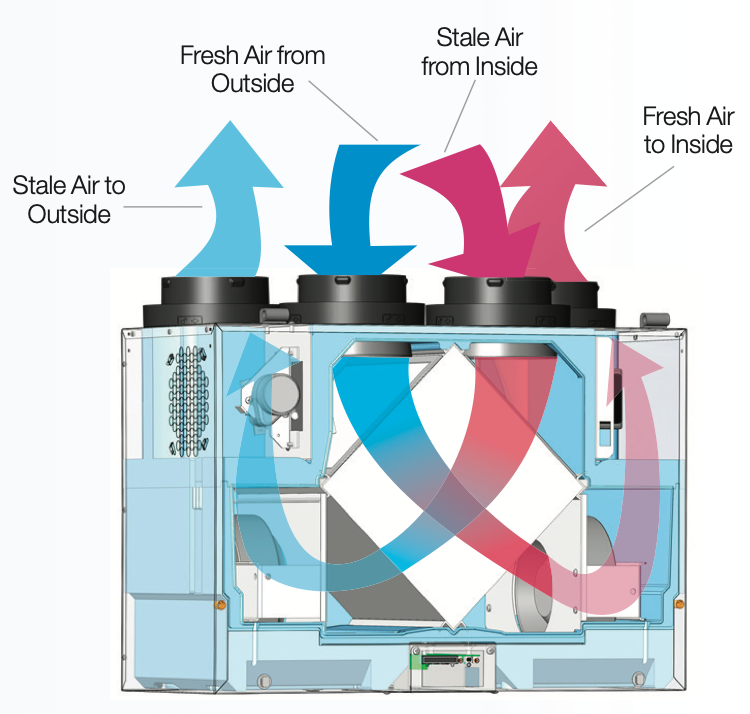
Heat recovery ventilation (HRV) systems are created to enhance interior air quality while reducing energy loss. These systems use a mechanical ventilation strategy to exchange stale interior air with fresh outdoor air, making sure a continuous supply of clean air. By catching warmth from the exhaust air, HRVs prerequisite inbound air, reducing the demand on home heating and cooling systems. This process not just improves thermal convenience yet also adds to power effectiveness in residential and commercial structures. In addition, HRV systems assist manage moisture degrees and minimize interior pollutants, promoting a healthier living setting. Their strategic implementation is crucial for achieving sustainable design goals, as they provide a balance between power conservation and resident wellness.
How HRV Systems Work
While many might recognize with air flow systems, recognizing just how warm recuperation air flow (HRV) systems run is essential for valuing their advantages. HRV systems operate by trading stagnant indoor air with fresh outdoor air while transferring heat between the 2 streams. This procedure takes place in a warmth exchanger, where warmth from the outward bound air warms up the inbound air throughout cooler months, decreasing power loss. On the other hand, in warmer months, the system can cool down inbound air utilizing the cooler outgoing air. HRVs are outfitted with followers to promote air flow and filters to remove particulates, guaranteeing a continuous, balanced air flow process. This innovative layout not only improves power effectiveness however additionally adds to preserving a comfortable interior environment.
Enhancing Indoor Air High Quality
Indoor air top quality can significantly impact health and well-being, making efficient ventilation crucial in contemporary homes. Heat Recovery Ventilation (HRV) systems play an essential function in preserving interior air quality by continually trading stale interior air with fresh exterior air. This process not just minimizes air-borne toxins however also decreases humidity levels, which can lead to mold development and breathing issues. HRV systems filter inbound air, removing allergens and particulates, thus supplying a much healthier living setting. Additionally, these systems assist remove odors and unstable natural compounds (VOCs) frequently found in family items. By making sure a consistent circulation of tidy air, HRV systems add to a total enhanced indoor environment, advertising comfort and wellness for passengers.
Power Efficiency and Price Savings
Energy efficiency stands apart as a substantial benefit of Heat Recovery Ventilation (HRV) systems. By recording and reusing the heat from exhausted interior air, HRVs minimize the power required for home heating inbound fresh air, bring about decreased power usage. This effectiveness converts into lower energy expenses, providing considerable price financial savings for house owners and businesses alike. Furthermore, HRV systems commonly receive power performance incentives and rebates, additionally improving their economic allure. Gradually, the initial financial investment in HRV innovation can bring about a desirable roi via lowered energy expenses. The assimilation of HRV systems not only advertises sustainable layout yet additionally offers a practical option for achieving lasting energy savings and monetary advantages.
Ecological Benefits of HRV
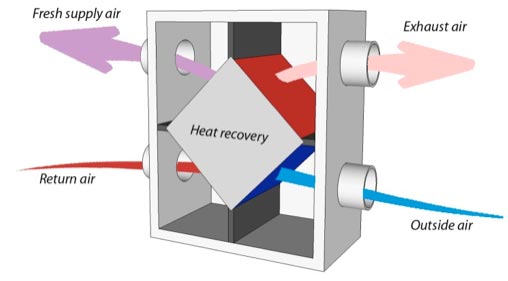
A wide range of ecological advantages arises from the implementation of Heat Recovery Ventilation (HRV) systems. By efficiently moving warm from exhaust air to inbound fresh air, HRVs considerably reduce the energy needed for heating and cooling down spaces. This energy efficiency translates to decrease greenhouse gas discharges, adding to a reduction in the overall carbon footprint of buildings. In addition, HRV systems boost indoor air quality by continually circulating fresh air, consequently minimizing the focus of indoor toxins and allergens. The decrease in power usage aids in preserving natural sources, making HRVs a vital part of sustainable layout. Generally, the environmental benefits of HRVs play a vital duty in advertising a much healthier world and fostering environment-friendly structure techniques.
Versatile Applications in Modern Design
Heat recovery ventilation (HRV) systems are increasingly being integrated right into both residential and industrial building tasks. In residential settings, HRVs boost interior air high quality while taking full advantage of energy efficiency. On the other hand, in industrial areas, these systems enhance air flow strategies, showing their flexibility in modern building applications.
Residential Projects Assimilation
While modern architecture progressively emphasizes sustainability, the combination of heat recuperation air flow systems in residential jobs has become a practical find more info service for improving indoor air high quality and power efficiency. These systems efficiently transfer warmth from exhaust air to inbound fresh air, minimizing power loss and minimizing home heating or cooling down needs. In brand-new builds and retrofits alike, warm healing air flow can be effortlessly incorporated, offering homeowners with a much healthier living environment while lowering utility expenses. Furthermore, with boosting understanding of environmental impacts, even more architects and builders are acknowledging the long-term benefits of these systems. Therefore, warm recuperation ventilation has become an essential component of lasting property layout, showcasing versatility and commitment to eco-friendly practices.
Business Rooms Optimization
As modern industrial areas progress to meet the demands of sustainability and efficiency, the application of heat healing ventilation systems arises as an essential strategy for maximizing indoor settings. These systems promote the exchange of stagnant indoor air with fresh outside air while recovering warmth energy, significantly decreasing energy consumption. This not just improves convenience for residents but also assists in lowering operational costs. Flexible applications can be observed in workplaces, retail rooms, and universities, where air top quality and temperature control are extremely important. In addition, incorporating warm healing ventilation lines up with green structure qualifications, further advertising ecological duty. Eventually, adopting such systems in industrial design not just adds to sustainability objectives however likewise promotes much healthier, a lot more productive rooms for users.
Integrating HRV Into Sustainable Design Practices
Incorporating warmth healing air flow (HRV) systems into lasting style techniques provides considerable advantages in power effectiveness and indoor air high quality. By utilizing HRV, developers can produce cost-effective solutions that not only minimize energy usage however likewise improve the total convenience of interior atmospheres. This alignment with sustainability objectives placements HRV as a necessary component in contemporary architectural techniques.
Power Effectiveness Improvement
By incorporating heat recuperation air flow (HRV) systems right into lasting layout practices, designers and building contractors can substantially enhance power effectiveness in modern-day constructions. HRV systems function by recording heat from outgoing stagnant air and transferring it to incoming fresh air, decreasing the power required for home heating or cooling down interior spaces. This procedure not only minimizes reliance on typical heating and cooling systems yet also decreases overall energy intake. Furthermore, HRV systems can help preserve a constant interior temperature, minimizing peak power needs. By integrating these systems, structures can achieve considerable decreases in utility prices and carbon impacts, lining up with sustainability objectives. Inevitably, HRV technology stands for a practical remedy for improving energy effectiveness in the built setting, promoting more responsible resource usage.
Indoor Air Top Quality Renovation
Just how can heat recovery air flow (HRV) systems add to exceptional interior air quality in contemporary structures? HRV systems efficiently exchange stale interior air with fresh outdoor air while recovering warm power, reducing temperature level changes. This procedure minimizes the concentration of interior toxins, such as unpredictable organic compounds (VOCs), irritants, and wetness, which can weaken air high quality and influence owner wellness. By keeping optimal humidity degrees and making sure a constant supply of clean air, HRVs assist create a healthier indoor setting. On top of that, these systems can be integrated right into lasting style methods, promoting energy effectiveness along with boosted air high quality. HRV Heat Recovery Ventilation. Subsequently, HRV innovation plays an important function ahead of time overall occupant comfort and wellness in modern building styles
Cost-efficient Style Solutions
Frequently Asked Inquiries
What Upkeep Is Required for Heat Recovery Ventilation Equipments?

Maintenance for heat recovery air flow systems generally entails regular filter substitutes, cleansing of warm exchangers, inspection of fans and ducts, and making sure proper drain. These jobs assist preserve effectiveness and prolong the system's lifespan over time.
Can HRV Solutions Be Installed in Existing Structures?
Heat recovery ventilation systems can undoubtedly be set up in existing buildings. HRV Heat Recovery Ventilation. Retrofitting requires careful preparation and assessment of the building's design, making certain compatibility with existing systems while making the most of energy effectiveness and indoor air high quality
Exactly How Do HRV Equipment Effect Sound Degrees Inside?
HRV systems can affect indoor noise levels by presenting audio from external sources through ventilation. Top quality installations typically incorporate sound-dampening attributes, lessening noise influence while offering effective air exchange and keeping convenience inside your home.
Exist Any Disadvantages to Making Use Of HRV Systems?
The downsides of utilizing HRV systems consist of potential high first costs, upkeep difficulties, and the possibility of lowered indoor air top quality if filters are sporadically altered, which might cause concerns with moisture degrees.
Just how Do I Select the Right HRV System for My Demands?
Selecting the appropriate warmth recuperation ventilation system includes assessing certain demands, such as building dimension, climate, and energy effectiveness goals. Furthermore, assessing system attributes, installment demands, and maintenance factors to consider is vital for peak performance and contentment.